01 / THE FIRST FOLDER
It began as a build packet.
The earliest documentation organized the work as a compact packet: architecture descriptions, implementation steps, review material, and dated checkpoints. The important move was structural. Decisions that might otherwise have lived in a conversation were placed into files that another session could inspect.
02 / THE PHASE STAIRCASE
Each phase split intent from execution.
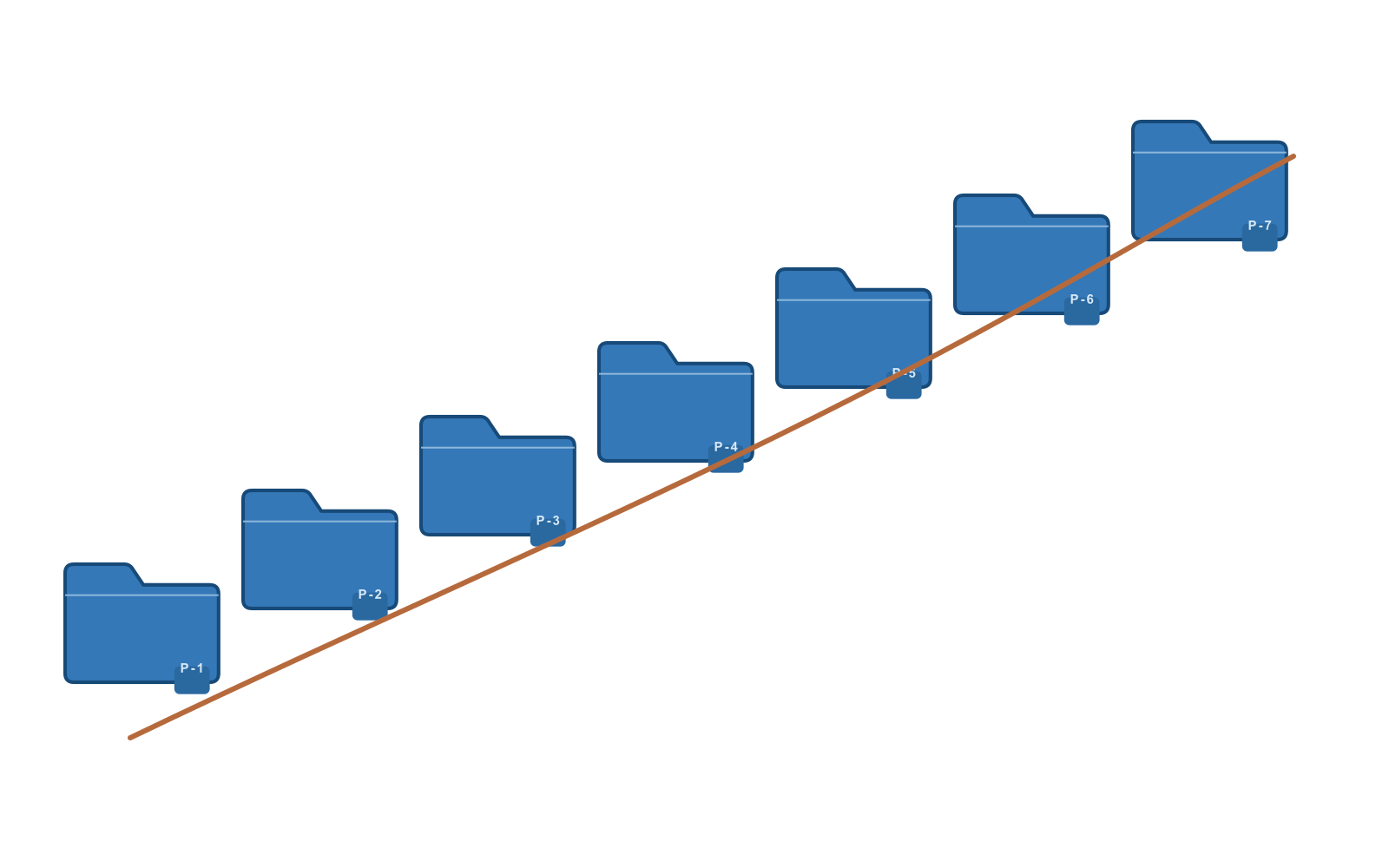
The project moved through seven named phases. Specifications described intended behavior; detailed micro-task plans translated that intent into bounded execution. This separation made work easier to inspect and reduced the temptation to bundle unrelated changes.
03 / THE TWIN LEDGER
Current state was written twice.
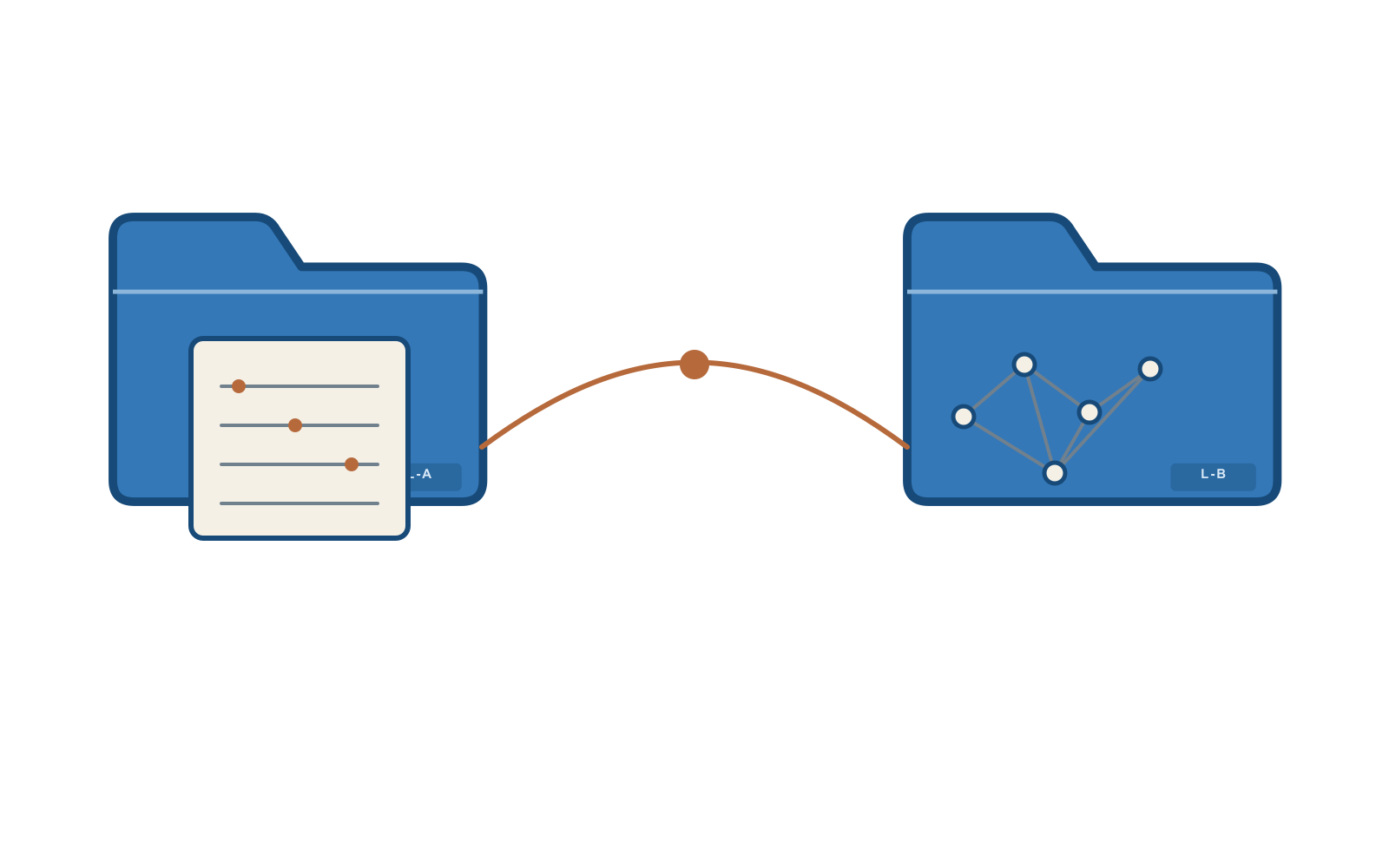
The documentation system maintained a human-readable project-state ledger and a machine-readable counterpart. Together they created a persistent resumption point: what was implemented, what had been validated, and what remained bounded or deferred.
04 / THE REVIEW GATE
No task advanced on memory alone.
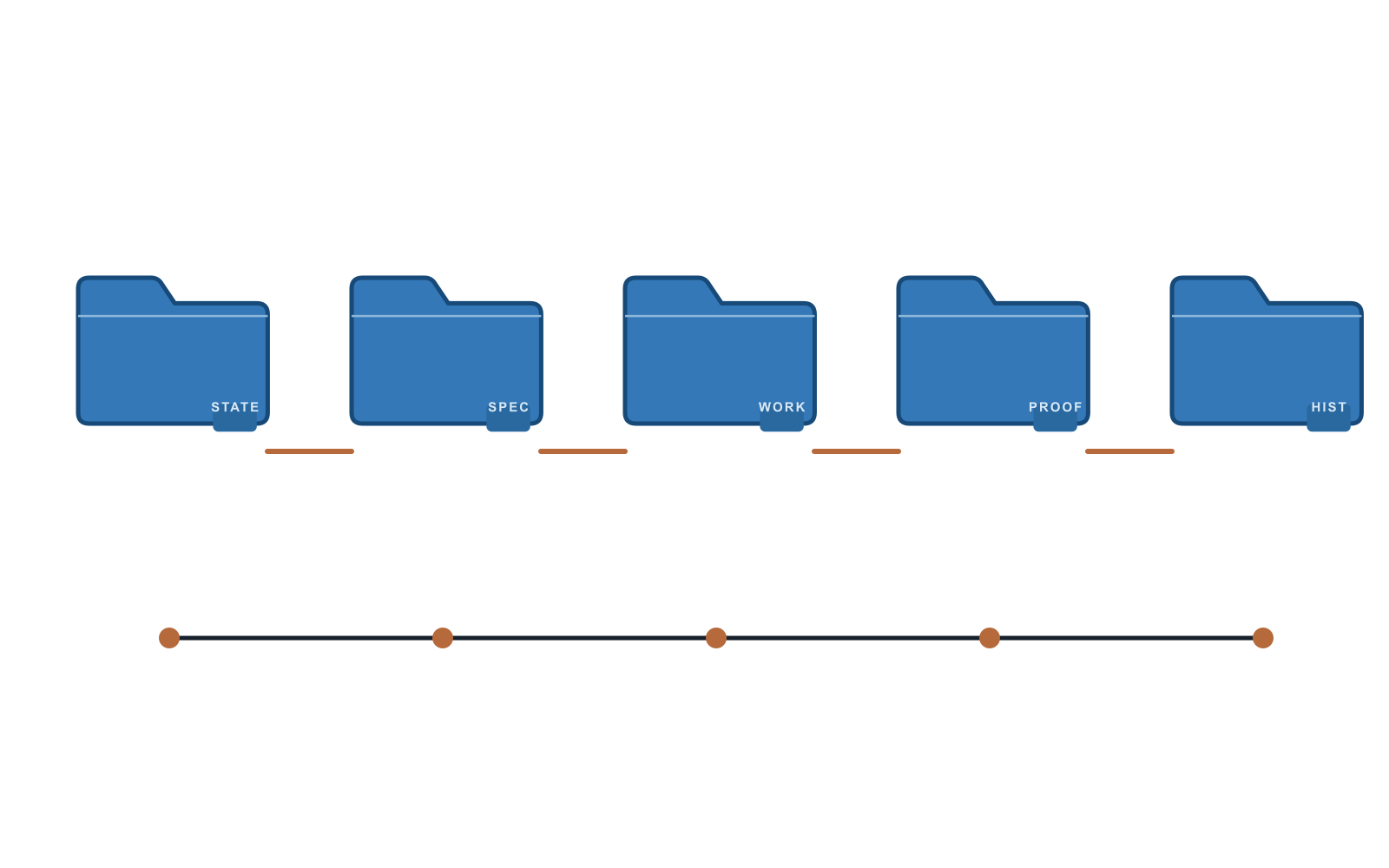
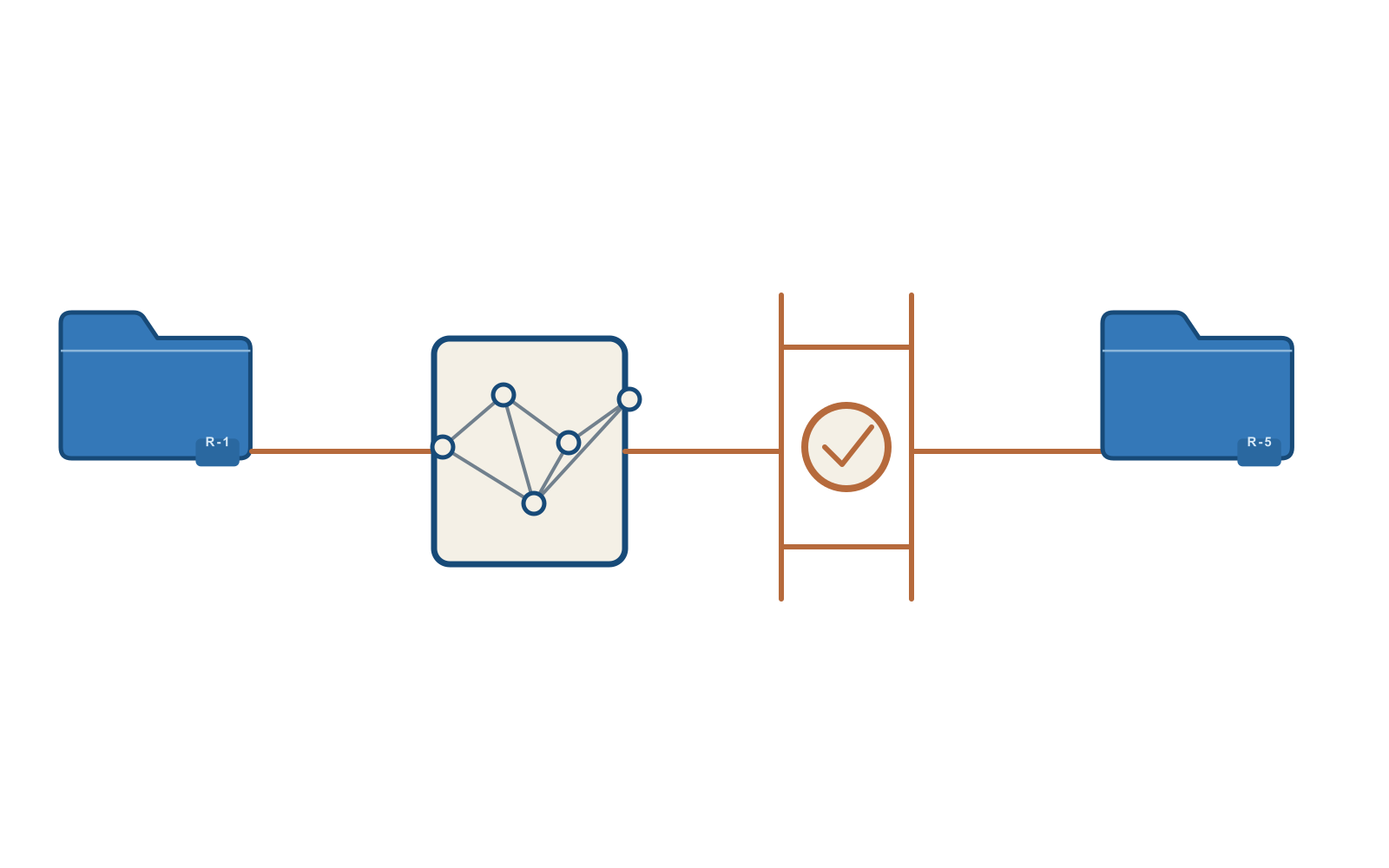
The core loop was deliberately strict: inspect the repository, implement one bounded concern, review the diff, approve or reject it, then commit and update state. Task classes separated validation, contract definition, planning, implementation, and acceptance proof.
05 / THE HANDOFF SHELF
Checkpoints made work resumable.
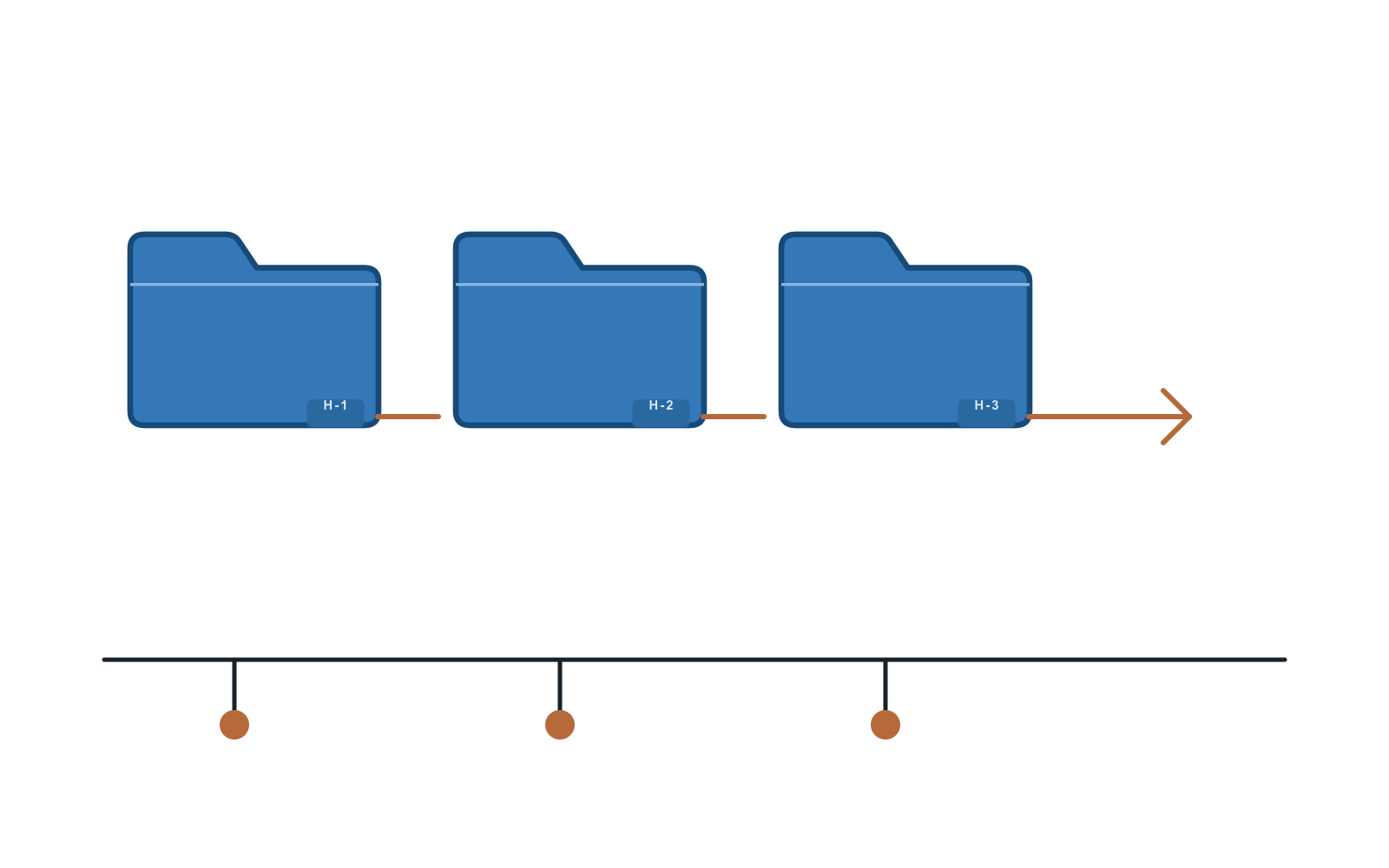
Dated checkpoints, closeout reports, next-entrypoint files, and handoff packages preserved the edge of completed work. The archive did more than explain the system; it carried responsibility from one session to the next.
06 / THE DECISION DRAWERS
Different questions were given different records.
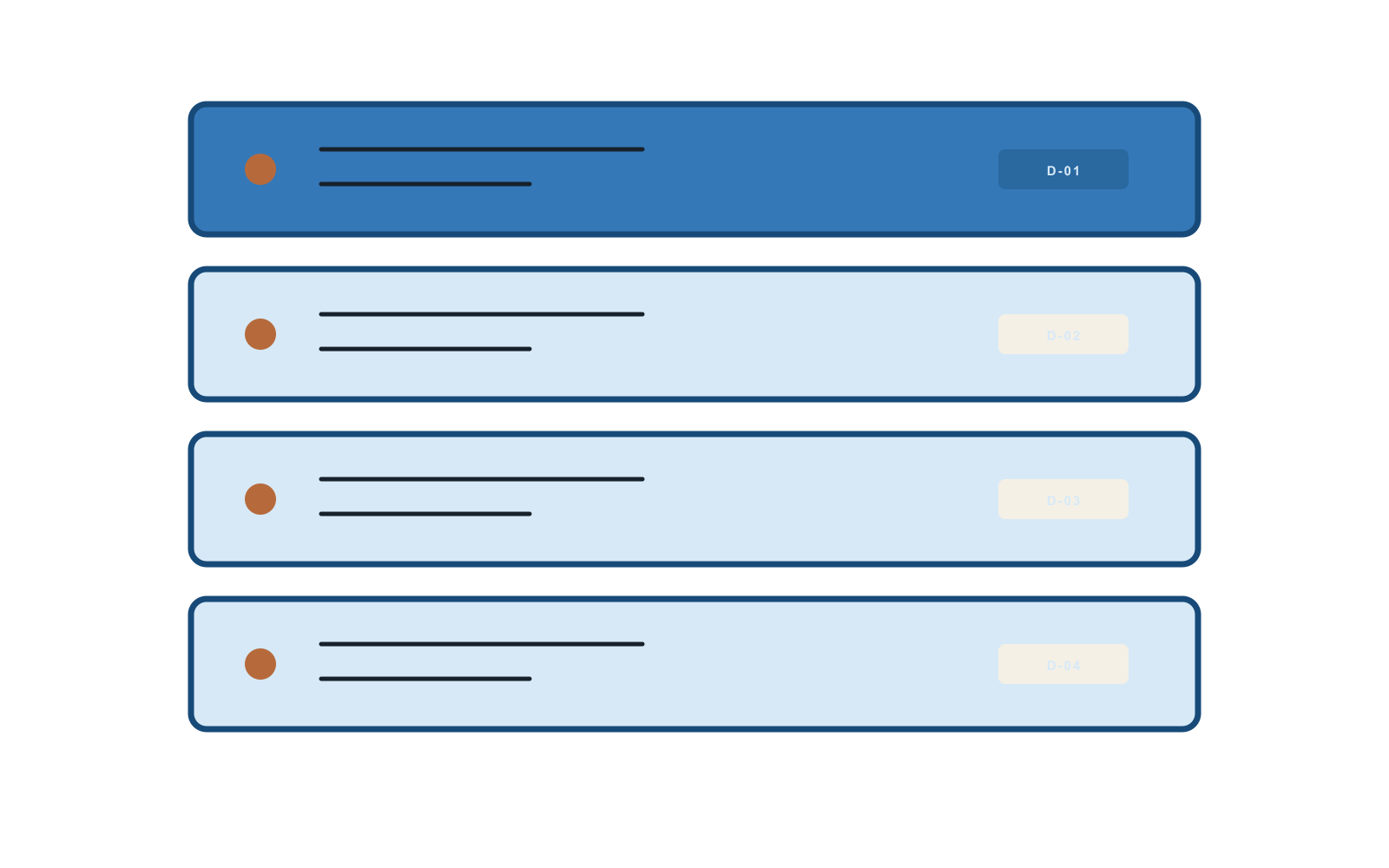
Decision registers, scope matrices, object registries, proof models, closure registers, and debt ledgers divided governance into distinct jobs. A decision could point to its authority, its supersession history, the object it affected, and the proof required to close it.
07 / THE ARCHIVE EXPANDS
One month produced most of the archive.
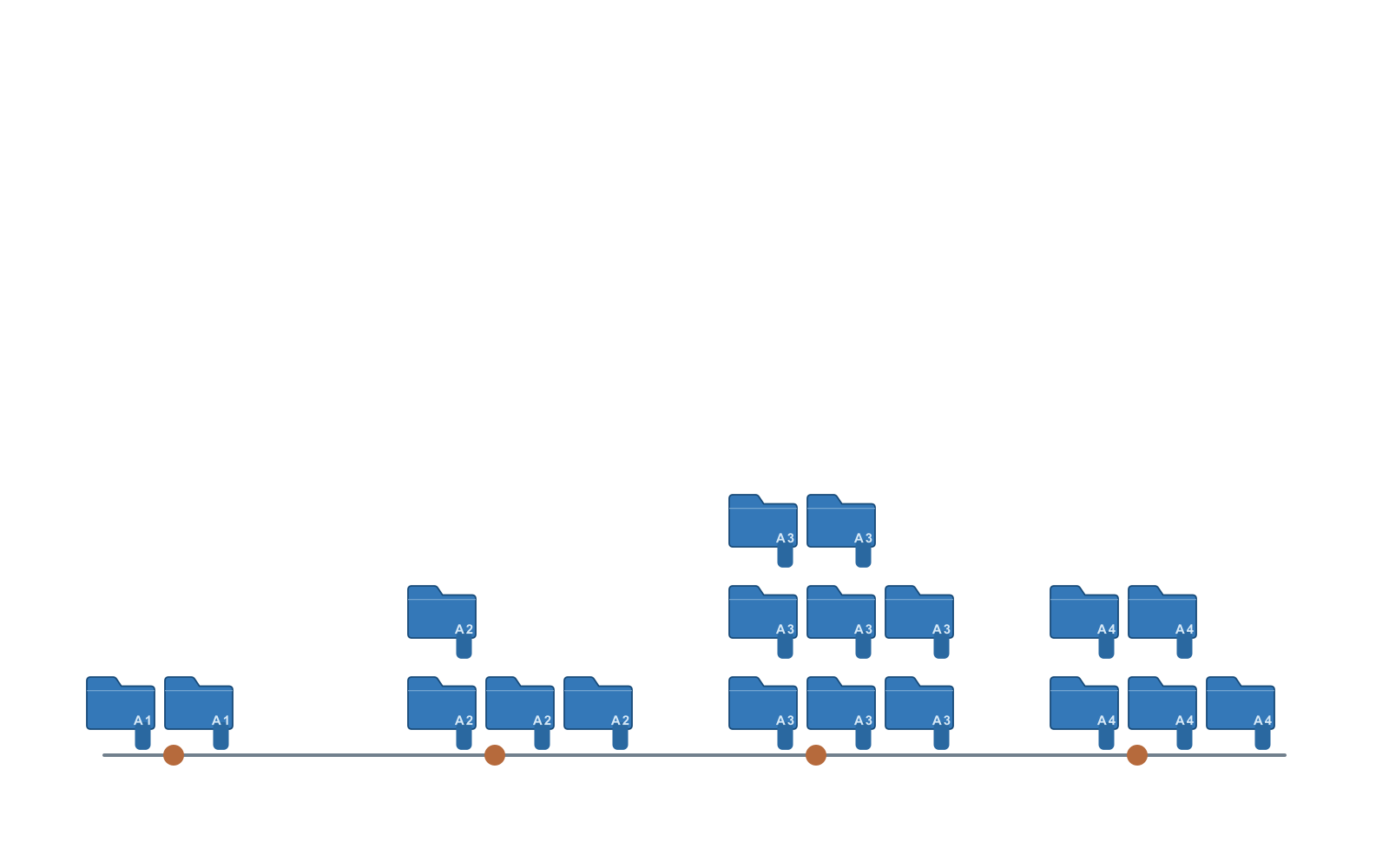
Tracked additions accelerated sharply: 70 documents first appeared in February, 124 in March, 511 in April, and 121 in May. The largest expansion coincided with program packages that separated doctrine, models, operations, readiness, rollout, verification, execution control, slices, bridges, and handoffs.
08 / THE MIRRORED OVERVIEW
Two authoritative copies created a synchronization obligation.
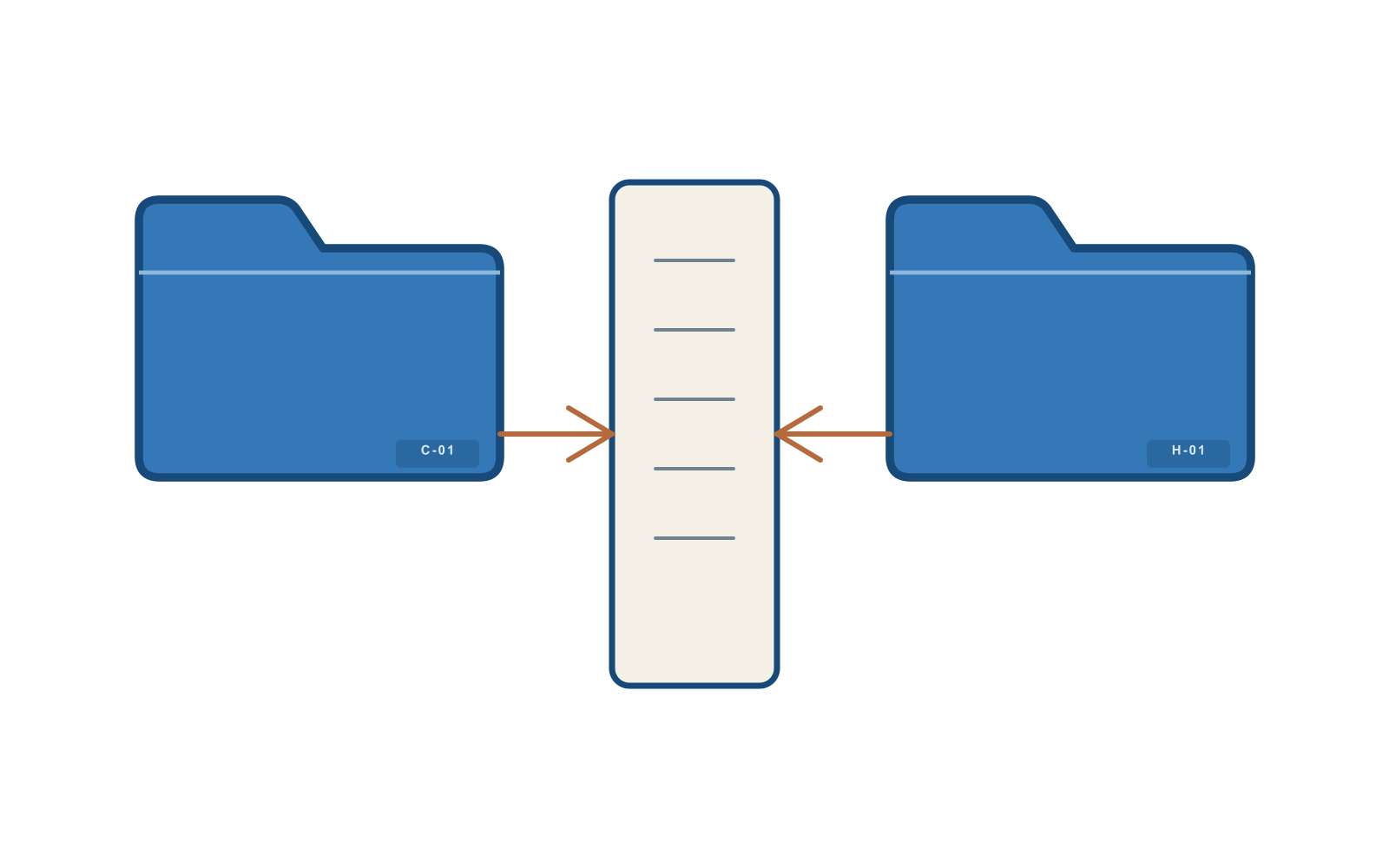
The largest canonical overview and its synchronized checkpoint each ran to roughly 5,800 lines and 23,000 words. The authority rules were explicit: the overview won, and the checkpoint could not drift ahead. That clarity protected the hierarchy, but it also created a two-copy synchronization obligation.
09 / WHEN THE SYSTEM TAKES A LEFT TURN
When the system takes a left turn.
This chapter is a bounded evidence cabinet, not a claim that the project failed.
09.1 / EVIDENCE FILE
Oversized handoff
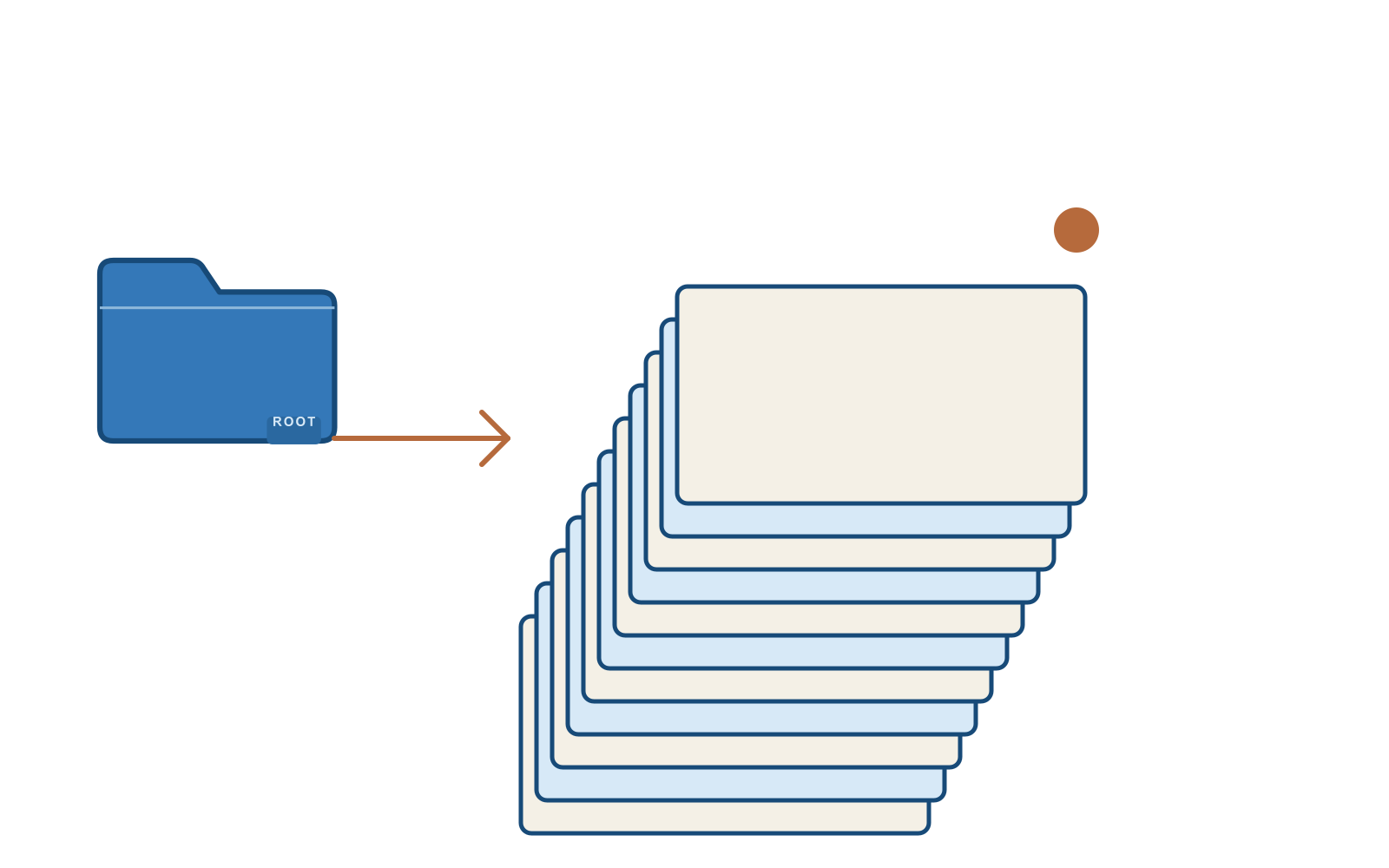
The archive contains a 5,800-line overview, a similarly sized handoff checkpoint, a project-state file over 1,100 lines, a 2,184-line decision log, and long diff and changelog ledgers. These files preserved context. They also made “start here” increasingly dependent on search and selective reading.
09.2 / EVIDENCE FILE
Competing entrypoints
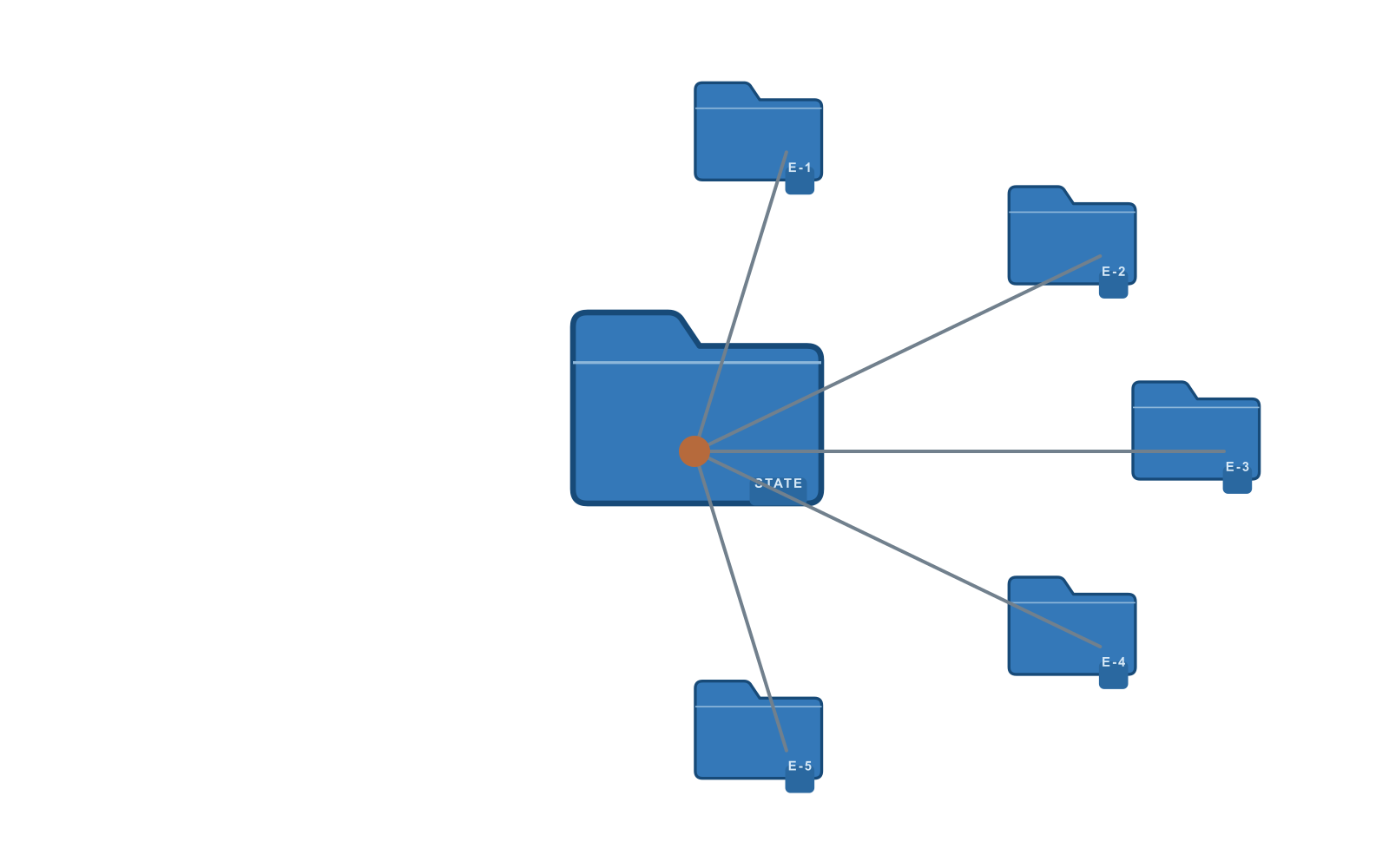
Repository indexes, AI entrypoints, next-entrypoint files, Markdown and YAML state ledgers, versioned reading orders, UI entrypoints, program overviews, doc maps, and closeouts all summarized authority or posture. Their roles were defined, but each posture change could require several synchronized summaries.
09.3 / EVIDENCE FILE
Empty, duplicated, superseded
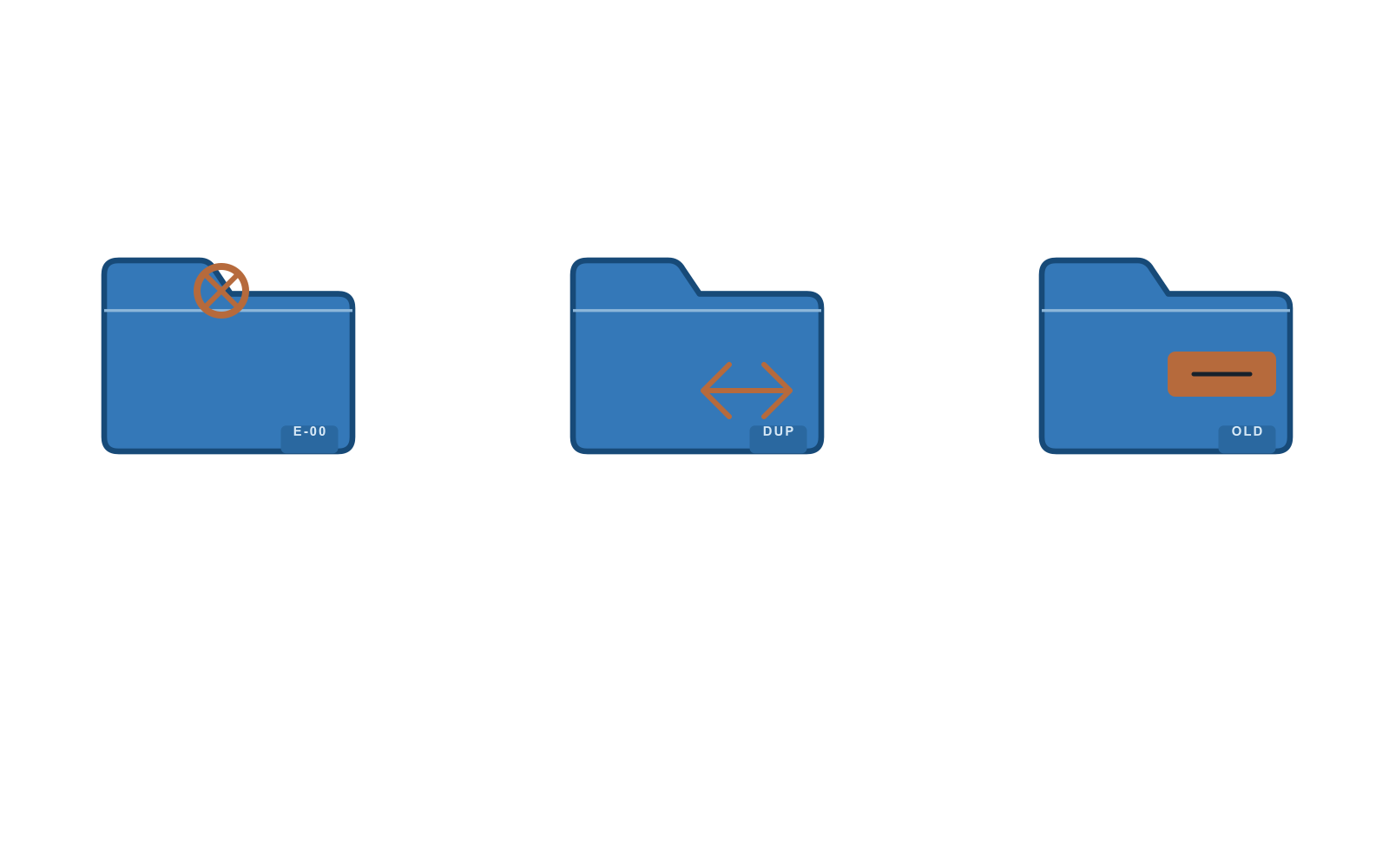
The audit found fifteen empty Markdown placeholders, two active/archive audit pairs with identical content, and large historical documents that remained available after being explicitly superseded. These are small signals, not a verdict: preserved history can be useful, but not every artifact carries equal present value.
09.4 / EVIDENCE FILE
Documented contract, live behavior
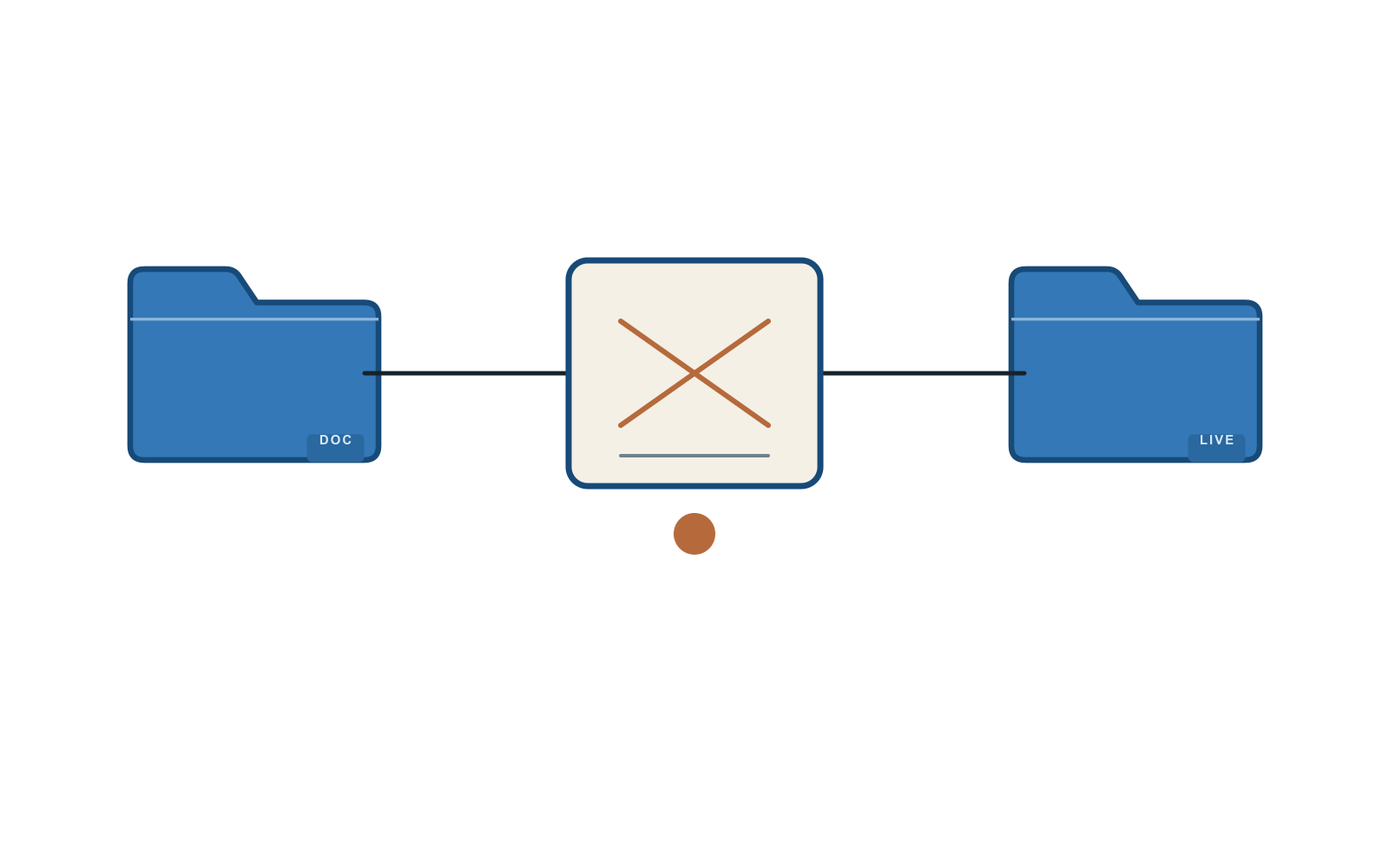
One debt record identifies a bounded mismatch between a locked read contract and a live handler: the documents and implementation expected different request identity fields. The ledger explicitly warns that an outward integration built only from the locked documents would use the wrong shape.
10 / THE READING MAP
The lesson was clearer authority and lighter entrypoints.
The system succeeded at turning memory into inspectable state, bounded work, decisions, proof, and history. As it expanded, documentation acquired a second job: governing its own authority, lifecycle, and handoffs. The durable lesson is not that documentation should be minimal. It is that every added layer needs a clear owner, a unique job, and a short route back to current truth.